Welcome to
The Boom Room

A live response practice space for your clients for when your client knows what they want to say, but can't access it under pressure.
The Boom Room is live response practice using bespoke simulations with professional actors, giving clients a place to practice how they communicate when the pressure is on.
It's for the gap between knowing what you want to say and being able to access it in the moment.
Why refer a client?
Your client may understand what they do under pressure, and even why they do it.
They may know why they freeze, over-explain, people-please, avoid conflict, or struggle to hold a boundary.
But knowing what you want to do and being able to do it when the stakes are real are different things.
The Boom Room gives clients a place to practice that gap.
If you have clients who understand their patterns intellectually but can't access a different response when they're actually in the room with someone, this is a space to practice staying with themselves through the discomfort.


How a Live Online Session Works
Prepare
01

10 minutes
The facilitator helps the client arrive in their body, identify what they're practicing, and prepare for the encounter.
Enter the room
02

50–60 minutes
A professional actor enters a bespoke, unscripted scenario built around the client's real-life communication challenge.
The facilitator watches off-camera, adjusting the pressure, directing the actor, and stepping in to coach or check in when needed.
Come back down
03
The facilitator helps the client release the intensity, reflect on what happened and identify what they discovered about themselves in the encounter.
The goal isn't to perform the “right” response. It's to discover what happens in you when the pressure is on, and practice having more choice in that moment.
“[The Boom Room] has given me a great sense of confidence in terms of how much power I hold in a conversation. Whether I exert them or not, I have so many options available to me. I felt reminded that I owe nothing to others.”

Toni, Toronto—Artistic Producer
What makes it different from role-play?The client isn't handed a script and asked to rehearse a difficult conversation. We build an immersive scenario around their real situation and have a professional actor respond in real time.
The client doesn't know exactly what the actor will say or do, and the actor doesn't know exactly what the client will do.
That unpredictability creates an opportunity to practice responding in the moment—not simply rehearsing what to say.


Carli, Chico—Kinesiology Professor
“The simulation was practice for a real life zoom call I had the next day. It is exactly what I deal with in my job.
From our initial warm up to the time in the scenarios with the actors I was blown away.”
How Do We Maintain Safety ?
The encounter is designed to create enough pressure for the client's patterns to emerge in real time. That pressure is not arbitrary or uncontrolled.
A facilitator is present throughout the encounter, observing the client's responses and actively shaping the experience.
They can:
increase or decrease the actor's pressure
direct the actor's approach
pause the encounter
coach the client in real time
check in with the client
end the encounter when needed
The client also has a predetermined stop word they can use to end the encounter at any time.
The session begins with preparation and grounding and ends with time to come down from the intensity, reflect, and integrate what happened.
“I felt a lot more emboldened to defend myself and my rights... I am not to be fucked with.”
Jessica, Toronto— Media Arts Professional

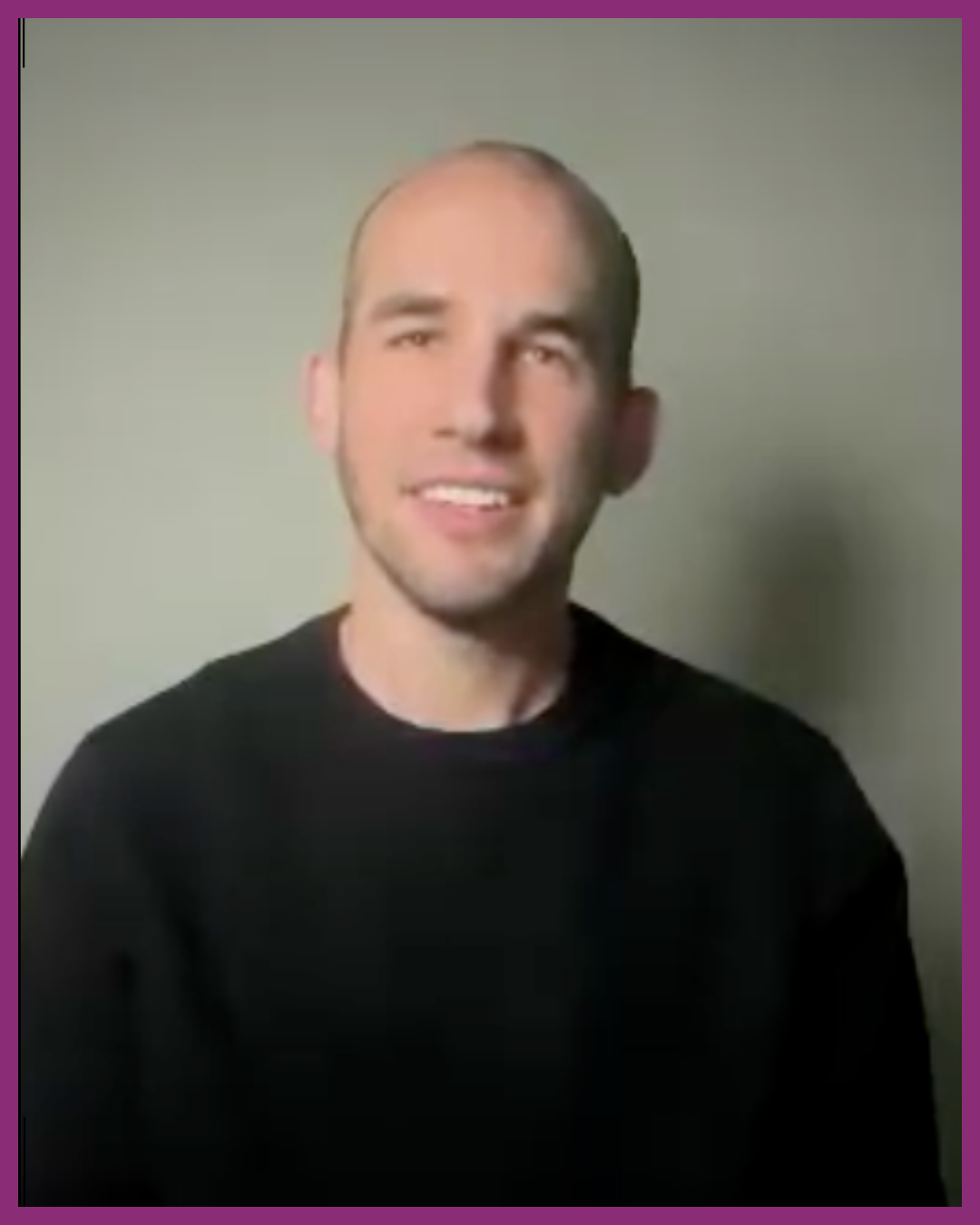
“The whole program is cohesive. I was surprised how immersed I became.”
Ben, Los Angeles— Director Of Photography
Who is this for?The Boom Room may be useful for clients who...
know what they want to say but struggle to say it under pressure
repeatedly avoid difficult conversations
people-please or automatically say yes
over-explain when they feel challenged
struggle to hold boundaries when someone pushes back
shut down, freeze, or lose access to their words in high-stakes interactions
replay conversations afterward and wish they'd responded differently
are preparing for a specific high-stakes conversation
want to practice being more direct, visible, or embodied in relationships or professional settings
The work can be especially useful when a client has already developed insight but wants an opportunity to practice a different response in real time.
What happens to my client after I refer them?Your client's journey
THERAPIST IDENTIFIES A PRACTICE OPPORTUNITY
↓
THERAPIST REFERS CLIENT TO THE BOOM ROOM
↓
CLIENT CONNECTS WITH A BOOM ROOM FACILITATOR
↓
CLIENT COMPLETES INTAKE
↓
BOOM ROOM BUILDS BESPOKE SCENARIO
↓
CLIENT + ACTOR + BOOM ROOM FACILITATOR ENTER THE ROOM
↓
LIVE RESPONSE PRACTICE
↓
DEBRIEF + INTEGRATION
↓
FACILITATOR OBSERVATIONS SHARED WITH THERAPIST
↓
OPTIONAL PROGRESSIVE PRACTICE
One session can stand alone. For clients who want to build on the experience, three or more progressive sessions allow the level of challenge to increase over time.
Where does The Boom Room fits alongside therapy?The Boom Room is not therapy or counseling.
It is a practice environment that can complement therapeutic work by giving clients an opportunity to experiment with communication patterns in a live, facilitated simulation.
The client's therapist remains their therapist. The Boom Room does not replace that therapeutic relationship or provide clinical treatment.
The experience can give clients and their therapists something new to work with: what happened under pressure, what emerged, and what the client wants to practice next. Facilitator observations from the practice are shared with the therapist, giving them another window into how the client responds under pressure and something concrete to continue exploring together.
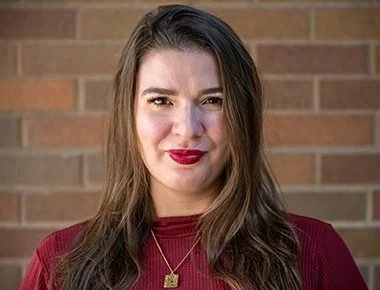
Jessie,Washington— Senior Program Manager
“This gave me grounding for a difficult conversation with a team member who is not meeting expectations. Both to give me confidence in holding space for difficult emotions and to not mitigate them with unearned smiles.”
Not role-play. Not AI.
The actor isn't following a predetermined script or waiting for the client to deliver the “right” line. They're responding to the person in front of them.
They can interrupt, misunderstand, push back, get emotional, change direction, and respond to the client's choices.
The practice isn't about generating the perfect response. It's about staying present and finding your response in a live interaction.
Help Them Overcome The Moments That Hold Them Back In A Safe Container
SINGLE SESSION
$455 USD
90 Minutes
One encounter, built around their real-life needs.
3 PROGRESSIVE SESSIONS
$1565 USD
Three 90-Minute Sessions
Designed to work on the patterns that they recognise but are difficult to shift.
Through enough repetition, they can actually change what their body does under pressure.

Miriam, Munich— Accounts Manager
“I had to tell my colleague I was uncomfortable with a decision he had made. I was very confident in these moments... It felt like a weight off my chest. Once I had those tools, my confidence truly grew.”
Refer A Client
Have someone in mind who might benefit from live response practice?
They'll complete a short form with their contact information and let us know that you've referred them. A Boom Room team member will then contact them and guide them through the next steps.
With the client's permission, you can identify a specific communication challenge you'd like them to practice.